

Building a retaining wall on sloped land in Yorkshire is an essential investment for many property owners looking to prevent soil erosion, manage water runoff, and create usable garden space. However, the cost of constructing a retaining wall depends on various factors, including the materials used, the wall’s height and length, site accessibility, and any additional structural reinforcements required. In this blog, we will explore the costs associated with building a retaining wall on Yorkshire’s sloped terrain and the factors influencing these expenses.
Cost Estimates for Retaining Walls
The cost of building a retaining wall in Yorkshire can range from £10,000 to £250,000 plus, depending on various factors such as materials, site conditions, and the complexity of the project. Here are some real-world examples to illustrate the cost variations:
- A small retaining wall as part of a garden redesign or home extension might cost around £10,000, forming just one element of a larger landscaping or building project.
- A medium-sized retaining wall in a severely sloping garden requiring extensive excavation, such as a project we completed in Shipley, cost around £30,000.
- A large-scale retaining wall built over a river, requiring specialist engineering, materials, and structural reinforcements, can reach costs of £100,000 or more.
Each project is unique, and the final cost depends on site-specific challenges and requirements.
Why Build a Retaining Wall in Yorkshire?
Yorkshire’s landscape is renowned for its rolling hills and sloped terrains, which can present challenges for homeowners and landowners. Retaining walls help to:
- Prevent soil erosion, especially during heavy rainfall
- Manage drainage and prevent water buildup
- Increase the stability of sloped land
- Enhance aesthetic appeal and usable outdoor space
- Protect existing structures from land movement
Given Yorkshire’s variable soil types and weather conditions, it is crucial to ensure that any retaining wall is built to withstand the elements and provide long-lasting support.
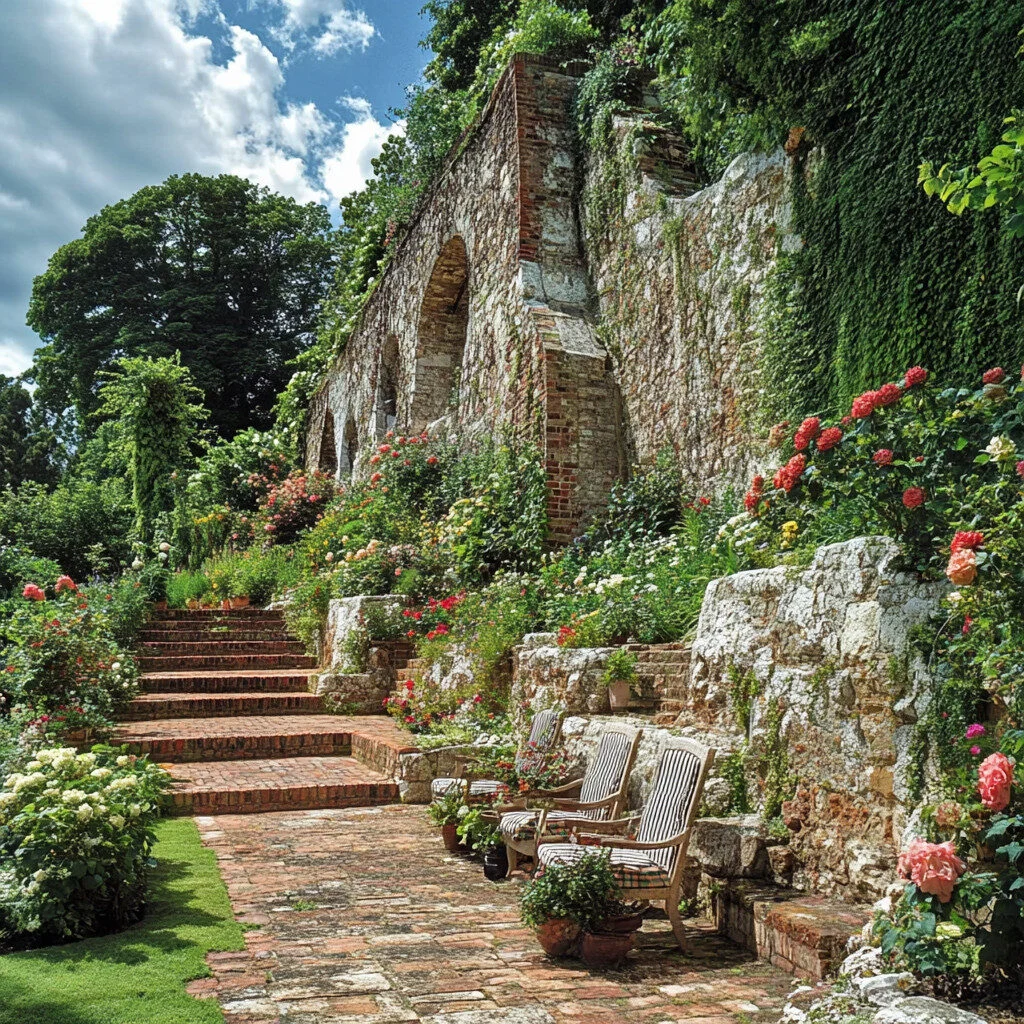
Factors That Affect the Cost of a Retaining Wall
When budgeting for a retaining wall, multiple factors contribute to the overall cost:
1. Material Choice
The type of material used for the retaining wall plays a significant role in cost variation. Common materials include:
- Concrete Blocks: Cost-effective and durable.
- Natural Stone: A premium option that complements Yorkshire’s aesthetic.
- Timber: An affordable option for smaller walls.
- Brick: Provides a traditional look but requires skilled labour.
- Gabion Baskets: Metal mesh cages filled with stones.
2. Height and Length of the Wall
The size of the retaining wall significantly impacts costs. Taller walls require additional reinforcement and engineering, leading to higher expenses. Walls over 2 metres may require planning permission and specialist engineering, increasing costs further.
3. Site Conditions and Accessibility
Building on sloped Yorkshire land presents additional challenges. If heavy machinery or specialist equipment is needed to access the site, labour and transportation costs will increase. Hard-to-reach areas or sites requiring extensive groundwork and excavation can add to the total cost.
Some projects can be particularly complex and expensive. For example, a retaining wall built in a severely sloping garden in Shipley required significant excavation work, bringing the total cost to around £30,000. In another case, a large-scale retaining wall built over a river required extensive engineering and specialist materials, leading to a final cost of over £100,000. These examples highlight how individual circumstances and site-specific challenges can dramatically affect the price.
Additionally, smaller retaining walls may be part of a larger project, such as a garden redesign or changes to a property as part of an extension project. While these walls may cost less than the larger-scale examples given above, they often form part of a broader construction effort, influencing the overall budget.
4. Drainage and Foundation Work
Proper drainage is essential to prevent water buildup behind the wall, which can lead to structural failure. The cost of installing a drainage system, including weep holes and gravel backfill, is an important consideration. Foundations are another crucial factor; deeper foundations may be required depending on soil conditions.
5. Labour Costs
Labour costs vary based on the complexity of the project and the expertise required. Larger, more complex walls may require a team of workers, increasing the overall cost.
Additional Considerations
Planning Permission and Regulations
In Yorkshire, retaining walls over 2 metres in height may require planning permission, adding to the overall cost. If the wall is near a highway, approval from the local council may be needed. Consulting with an expert ensures compliance with building regulations and avoids potential legal issues.
Longevity and Maintenance
Choosing high-quality materials and proper drainage systems can reduce maintenance costs. Regular inspections and minor repairs help prevent expensive replacements in the long run.
DIY vs Professional Installation
While a small timber or gabion wall can be a feasible DIY project, professional installation is recommended for larger or more complex walls. A professional ensures structural integrity, longevity, and adherence to local regulations, ultimately saving time and potential future repair costs.
Final Thoughts: Budgeting for Your Retaining Wall
Building a retaining wall on sloped Yorkshire land requires careful planning and budgeting. Depending on material selection, wall height, drainage requirements, and site conditions, costs can vary significantly.
As demonstrated by the examples above, the complexity of the site and the extent of excavation or engineering required can dramatically influence the total cost. Each project is unique, so obtaining a tailored quote is essential to accurately budget for your retaining wall.
We can help with all aspects of retaining wall construction, from initial planning to final installation. Get in touch with us today by filling in our contact form, and our team will be happy to assist you.
